


How to Choose Your First Adult Electric Scooter | KuKirin Guide
Nov 03, 2026
Buying an electric scooter usually starts with one question: what does my daily route actually look like? Everything else — motor size, tyre width, folding mechanism — follows from that answer. This guide walks through the decision in the order that matters, using published KuKirin specs rather than marketing shortcuts. Prices, shipping and warranty terms differ by region, so treat this as the product guidance and check your local store for commercial terms.
What actually matters on a daily commute
Measure your actual one-way distance, then add margin for detours, weather and battery age. Most urban commutes sit comfortably inside the range of a mid-size model.
Terrain is the second filter. Flat cycle lanes tolerate a single motor; sustained climbs and heavier riders benefit from a second one.
Write the route down before you shop. Distance, steepest grade, surface type, and where the scooter sleeps at night. Those four lines eliminate half the catalogue and save you from buying on a spec sheet alone.
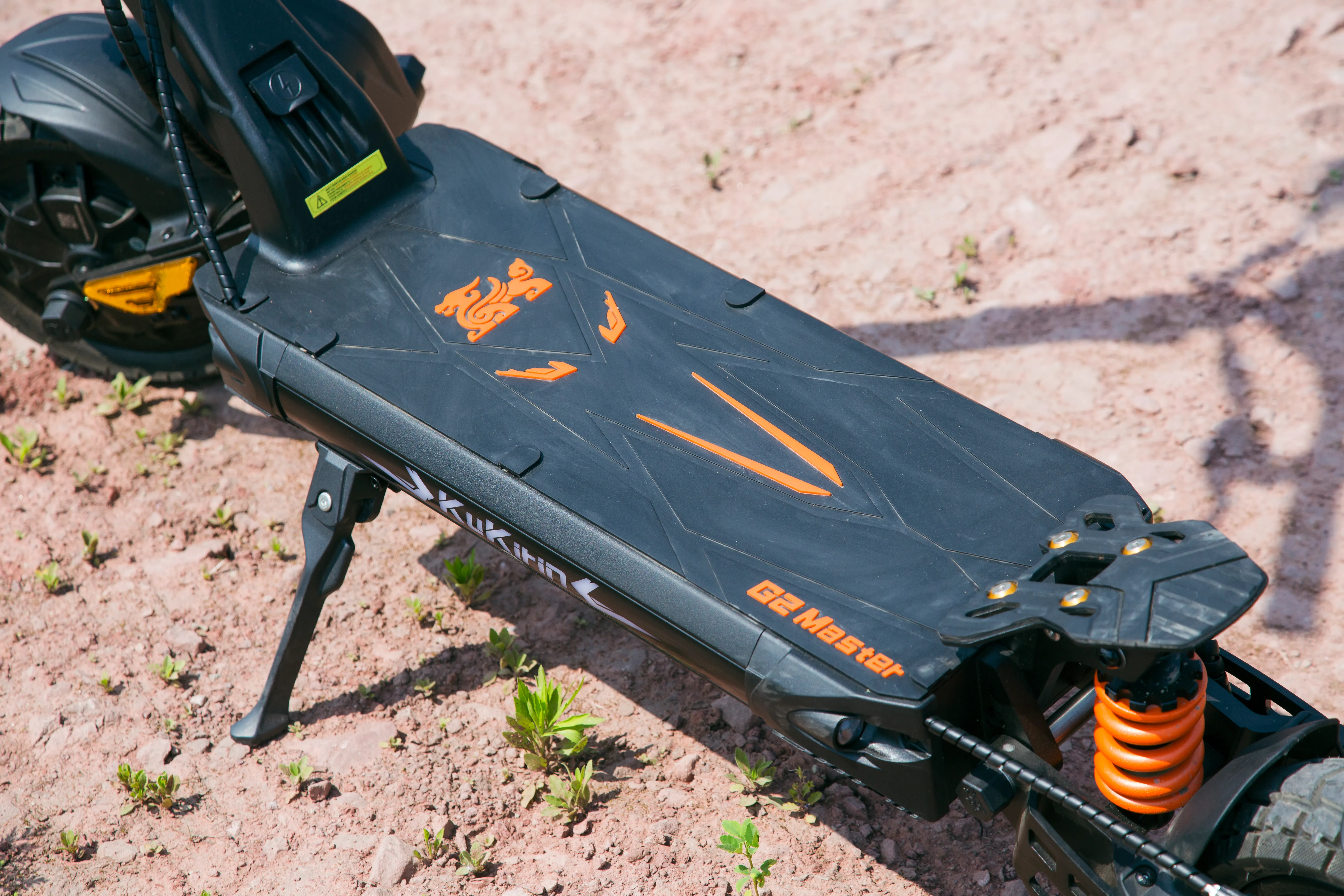
Match the motor and battery to your route
A larger motor does not automatically mean a faster commute. It means more headroom on hills and at load. Match motor output to the steepest part of your route, not to the top speed figure.
Check the listed battery voltage and capacity together. A high voltage pack with modest capacity behaves differently from a low voltage pack with a large one.
When two models are close on paper, the tie-breaker is usually weight and tyre size, not peak wattage. A scooter you can actually carry, and that smooths out bad pavement, will get used far more often.
Before you commit, look at how the scooter will be serviced where you live. Warranty length, what counts as a wear item, and whether repair service is available locally all differ between markets, so read the policy page for your region rather than relying on a summary. The details matter more than the headline length.
One honest limitation: the specifications on a product page describe the scooter as configured at the factory, not as you will use it. Load, terrain, tyre pressure and temperature all change what you experience. That is why this guidance leans on ranges and habits rather than single numbers.
A note on how this article was produced: it was assembled from KuKirin’s published product and policy pages, checked on the date shown at the top, and every specification in it traces back to a page you can open yourself. Where the source pages were incomplete or contradictory, we say so rather than filling the gap with something that sounds plausible.
Tyres, suspension and surface
Tyre size and suspension decide comfort more than any other spec. Ten-inch pneumatic tyres absorb paving seams; solid tyres last longer but transmit more vibration.
If your route includes light gravel or broken asphalt, prioritise tyre width and a suspension setup you can feel on a test ride.
Budget beyond the purchase price: tyres, brake pads, a lock, and eventually a battery. Spare parts availability from the official store is the cheapest insurance against an unrepairable scooter.
Storage is the decision people regret most. Measure the hallway, the lift, and the space behind the door. A model that folds but does not fit anywhere convenient becomes a coat rack with a battery.
Payment options are part of the decision too. Financing availability varies by country and provider. If splitting the cost changes whether a particular model is realistic, run the numbers on the total rather than the monthly figure.
Finally, check your local rules before your first ride. Where micromobility vehicles may be operated, at what speed, and with what insurance and helmet requirements varies widely between countries and even between cities. A product page cannot tell you what applies on your street, and neither can this article.
Portability and storage
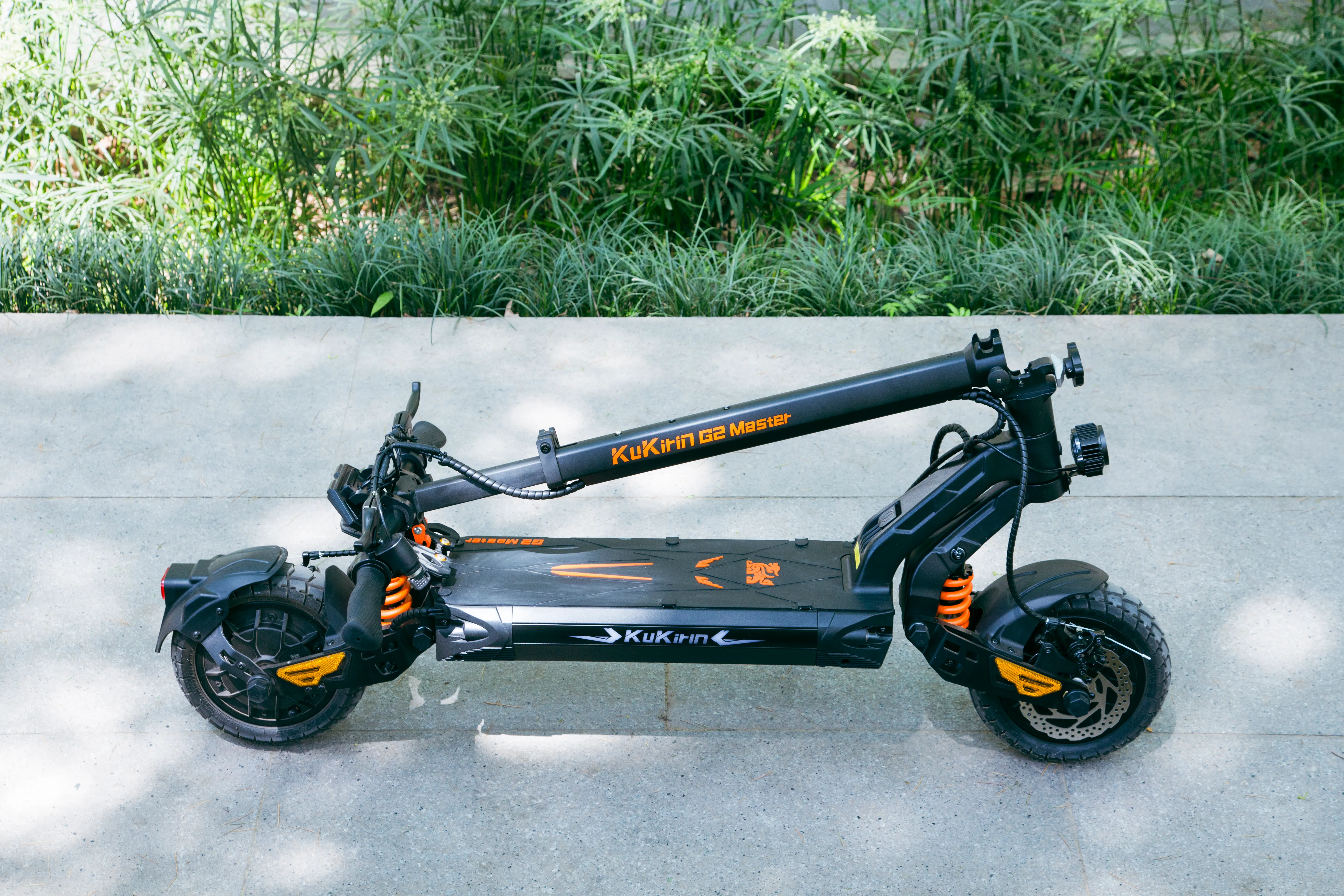
Folding matters if you carry the scooter upstairs or onto public transport. Weight is the trade-off: bigger decks and batteries usually mean more kilos.
Measure your storage space before you buy. A scooter that does not fit behind a desk tends to stay at home.
A practical test: ride your route once on a borrowed or rented scooter before you buy. You will learn more about pavement quality, kerb access and where you would actually park in twenty minutes than in a week of reading specifications.
Delivery terms deserve the same care. Transit times, duties and returns are set per region and per store, and they change. Confirm them at checkout with the store that actually ships to you, rather than planning around an estimate you read elsewhere.
If you are comparing brands, hold the comparison to facts you can verify. Peak motor wattage, battery voltage and capacity, tyre size, and the warranty document are all checkable. Claims about "fastest" or "best" are not, and they tend to collapse under a second look.
Budget and total ownership
Add up the consumables: tyres, brake pads, and eventually a battery. Spare parts availability is part of the purchase decision, not an afterthought.
Read the warranty terms for your region before you buy — the length and what counts as a wear item differ between markets.
FAQ
How much range do I need for a daily commute?
Measure your one-way distance and double it. Then add about a third as margin for detours, cold weather and battery ageing. That total is the number to compare against the rated range.
Is a dual-motor scooter overkill for city riding?
For flat, short, paved routes, usually yes. Dual motor earns its weight on sustained climbs, loose surfaces and heavier riders.
Can I take it on public transport?
Folding makes it physically possible, but operator rules vary by city and network. Check with your local transit authority—we cannot confirm eligibility for a specific system.